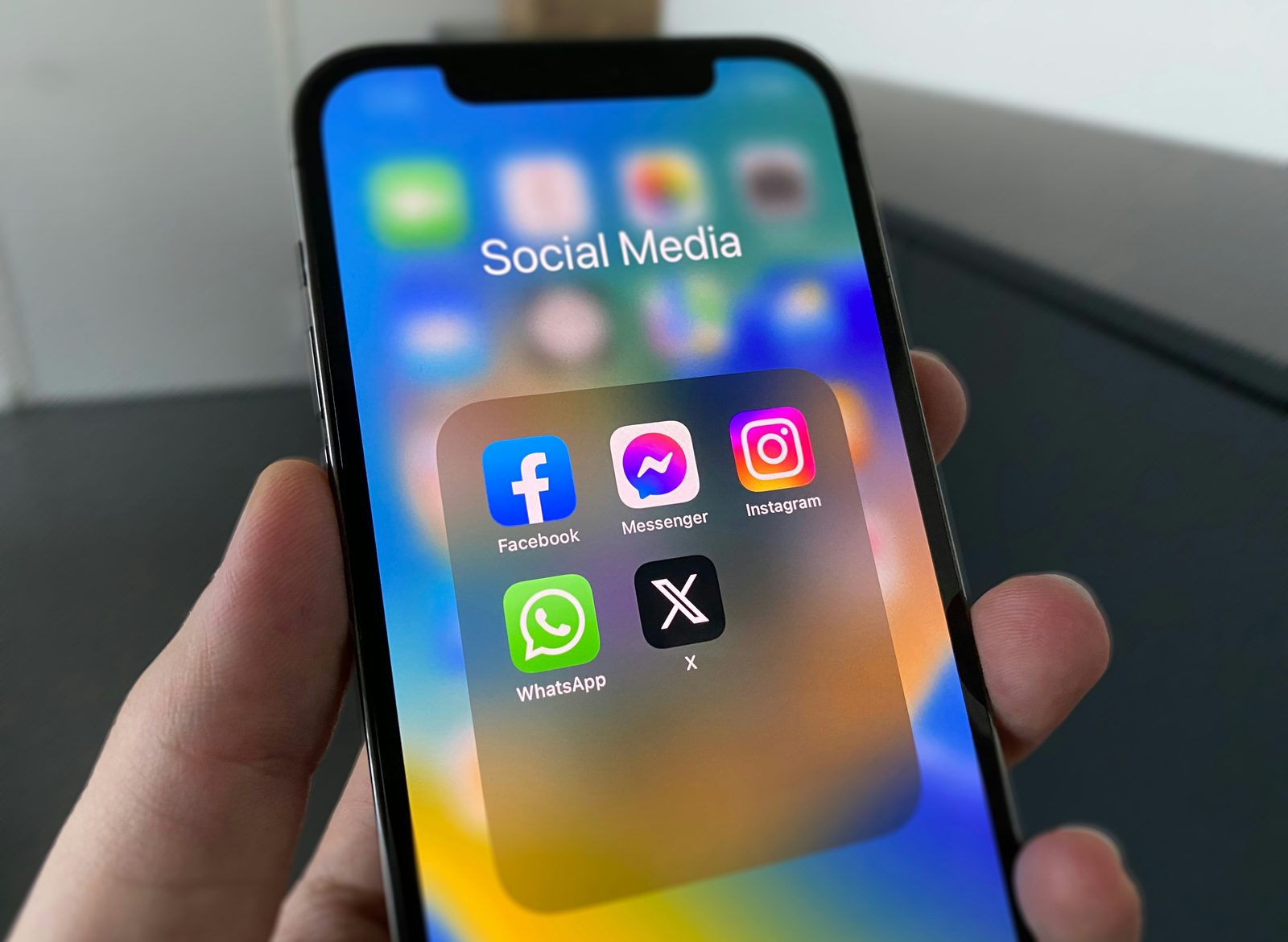
The state of paid social right now
Three things have changed since 2020 that you need to internalise before you spend another dollar.
- iOS privacy changes permanently broke the precision of attribution. Measurement is fuzzier; modelling matters more.
- Algorithmic targeting won. The platforms now find your audience better than your targeting does. Hand the algorithm a clear creative signal and a clear conversion event, and step back.
- Creative is the new targeting. The single biggest lever you can pull is what your ads look like, not who you show them to.
Pick the right platform first
Most Canadian SMEs should start with one platform, get it working, and add others only when the first one is profitable.
- Meta (Facebook + Instagram): the default for most consumer businesses. Largest audience, broadest demographics, best advertiser tools.
- TikTok: best for under-35 audiences, products with visual stories, and creators-first brands.
- LinkedIn: the only place B2B paid social really works. Expensive on a CPM basis, justified by the precision of the audience.
- YouTube: excellent for higher-consideration purchases. Underrated for Canadian SMEs.
- Pinterest, Reddit, X: niche. Try only if you have a clear thesis for why your buyer is there.
The four ad formats that actually drive sales
- The Founder UGC video. 30–60 seconds, founder talking to camera, one clear hook in the first 2 seconds, one clear ask at the end. Looks "amateur". Works.
- The Before/After. Especially for trades, beauty, fitness, renovation, design. Shows the transformation in the first 3 seconds.
- The Real-Customer Testimonial. Permission-cleared customer says what changed and why. Cheap to produce, hard to fake, high trust.
- The Static Carousel. Yes, still. Especially for products, pricing comparisons, and before-and-after explanations.
Budget bands that make sense
- Learning phase ($1,500–3,000/month): first 60 days. Goal is to find the creative and audience-message fit, not yet to scale.
- Scaling phase ($3,000–10,000/month): after you have a profitable creative. Spend goes up, creative production goes up with it.
- Mature phase ($10,000+/month): requires a creative pipeline producing 4–8 new ads per month.
Below $1,500/month is rarely enough budget for the algorithm to learn on most platforms. You can do brand work, but performance signals will be too noisy.
How targeting works now
Counterintuitive but true: broaden, don't narrow. The Meta and TikTok algorithms now find buyers better than your saved audiences. Layer a high-quality creative on broad targeting, give the algorithm a clear conversion event (a real purchase or a real lead, not a "view content"), and let it learn.
The two exceptions: high-trust local services (use radius targeting around your service area) and B2B (LinkedIn job titles and seniority).
Measurement when attribution is broken
iOS privacy means you can't rely solely on platform-reported ROAS. Triangulate:
- Platform reporting, directional, not absolute. Read trends, not exact numbers.
- Post-purchase survey, "How did you hear about us?" added to checkout. Cheapest most under-used signal.
- Geo or holdout tests, pause ads in one region for two weeks and watch what happens to revenue.
- Marketing Mix Modelling, for businesses spending over $20K/month, MMM is now affordable through tools designed for SMBs.
The five mistakes that burn budget
- Optimising for engagement when you mean revenue. Tell the algorithm exactly what conversion to chase.
- One creative, run for six weeks. Creative fatigue is real. Refresh weekly at least.
- Killing campaigns at 48 hours. The algorithm needs 5–7 days to learn. Patience beats panic.
- Cold-traffic-only. Always run a retargeting layer to the people who didn't convert the first time. Retargeting is the cheapest performance you will ever get.
- Hiding the offer. "Learn more" isn't an offer. "Save $200 on your first month" is.
Compliance, briefly
Canadian advertisers are bound by the Competition Act (no misleading claims), CASL (for any email follow-up), provincial consumer-protection laws, and platform-specific policies (which keep changing). Get them right; don't fight them. Most ad rejections we see are simple compliance issues, not creative issues.
Where to go from here
Our social media management service covers paid-social strategy, creative production and the measurement layer. If you have spent on Meta or TikTok and couldn't tell whether it worked, the measurement build-out is usually the first job, without it, everything else is guesswork.