The unfair advantage nobody talks about
Most conversations about print-to-digital transformation are stories of decline. We want to argue the other side. A print magazine or newspaper with even a modest reputation enters the digital world with assets that newer brands spend a decade and a Series B trying to acquire.
What print already has
1. Editorial discipline
Newsrooms ship on a deadline, every week or every day, with people who can write headlines that earn attention without crossing into clickbait. That's the rarest skill in digital content right now. Most digital brands are still discovering they need it.
2. Real audience relationships
Subscribers and long-time readers aren't "users". They have habits, preferences, a sense of ownership over the publication. That kind of relationship is a moat you can monetize many different ways, sponsorships, paid newsletters, events, membership, learning products.
3. Trust and authority
An established print masthead carries credibility into every new format it enters. Search engines reward authority. So do readers. So do advertisers.
The translation gap
The problem is rarely the talent or the audience. It is the operating layer. Print teams are organised for an editorial calendar and a press deadline. Digital teams need to be organised for an algorithm, a content distribution system, and a CRM.
Three things usually need to change:
- The publishing system. WordPress is fine; what matters is structured data, navigation, archive design and Core Web Vitals.
- The subscription model. A modern subscription platform supports plans, gifting, bundles, trials and proper churn metrics.
- The data layer. You need to know who reads what, who pays, who refers, who shares. Most print brands have none of that infrastructure on day one.
Where to start
Start with the website. A modern marketing-site rebuild on the publishing stack you choose typically pays for itself within a year via subscription conversion improvements and ad-yield gains alone. Our website development service ships these defaults in.
From there, the next move is usually automation, wiring your CMS to your CRM, your email platform, your subscription tool and your analytics so the editorial team can do their job without juggling spreadsheets.
The mistake we see most often
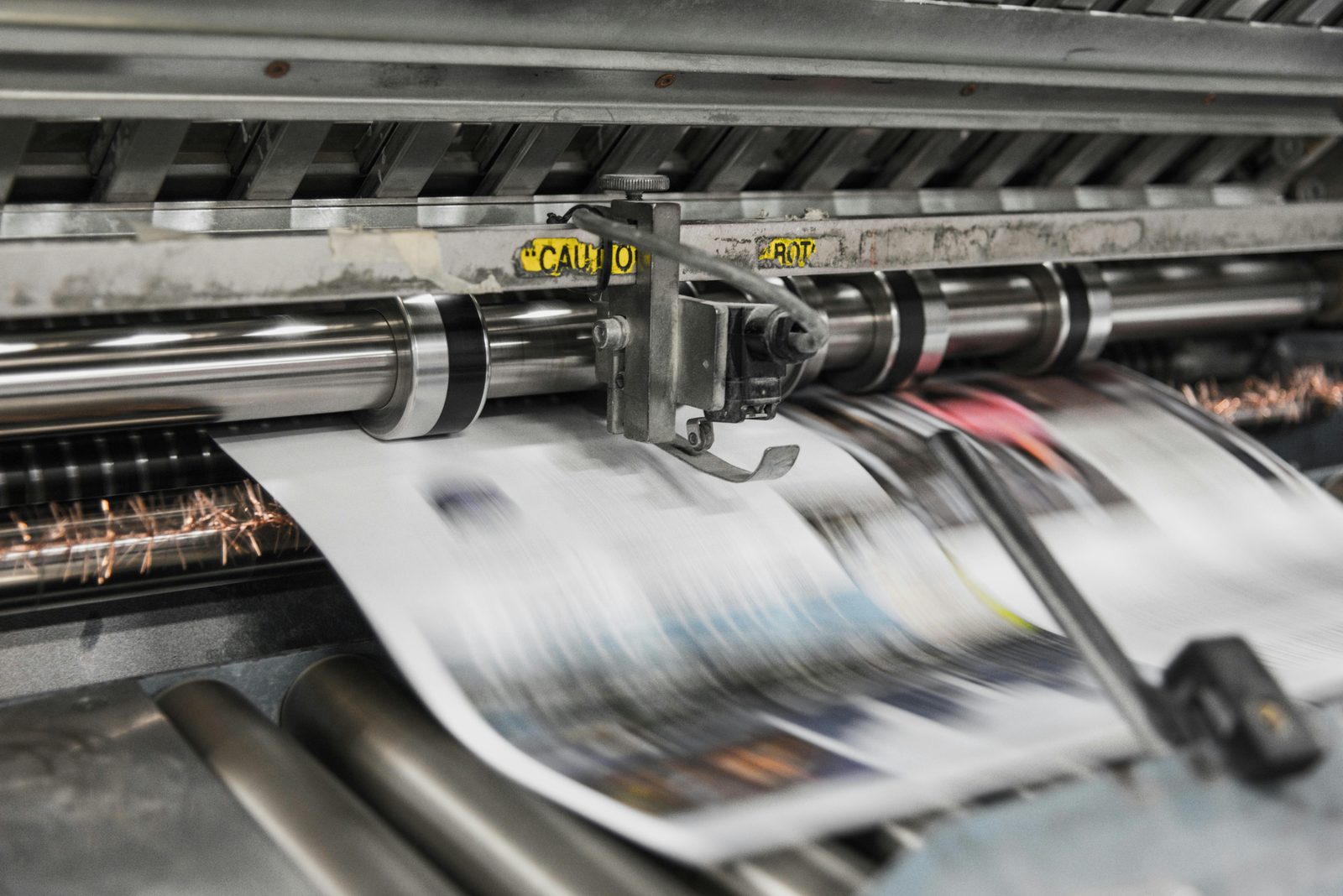
Treating digital like a marketing channel instead of a publishing system. Your website isn't a brochure with stories on it; it is the new printing press. Resource it accordingly.
If you remember nothing else
You don't need to become a tech company. You need a platform that lets the editors stay editors and the marketing team stay marketers, without anyone reinventing infrastructure on every campaign. That is what we build. Talk to us about your specific situation and we will tell you honestly whether we can help.